Thanks Ross!

THE PASSION THEORY. Be passionate. Be weird. Be creative. Be funny. Be loud. Be different.
Jul 10, 2012
Best 'Merica Party Ever.
So here's my latest short movie: Ross Aboud was kind enough to invite friends and his McGarrah Jessee coworkers to his home on 4th of July. He was also kind enough to scare the small children with his fireworks. We ate, drank, played, lit things on fire, and chased babies around his lawn. Needless to say, it was fun.
Thanks Ross!
Thanks Ross!


Jul 9, 2012
Behind the Scenes. Vespa Shoot.
While cleaning out my camera, I stumbled upon these photos from our Vespa commercial shoot. The wonderful creative team, Breanne Thomas and Justin Han, invited me to produce their Vespa spot for a portfolio project. As the pictures prove, the shoot was both extremely fun and challenging. Breanne imagined the spot taking place in a bathroom with Tyler, our actor, looking into a mirror. In a great problem solving moment (if I say so myself), I arranged the shoot in a Kohler showroom and it turned out wonderfully! Breanne was a great director and Justin caught all the behind the scenes action in these photos. Chris Osborn edited the piece and Joanna Barondess illustrated it. Jeff Ackler plays a kick-ass Burt Reynolds.


Here it is in all its glory.
The Art of Man from Breanne Thomas on Vimeo.
Jul 8, 2012
A Little Bit of Austin.
Last weekend, in an effort to explore more of Austin, I ventured through the streets of South Congress. In the process I met local designers, trespassed onto hotel property, bought a beautiful lace top from the 60s, had dinner with teachers and mailmen at Guero's and listened to one animated Catholic elementary school teacher speak of the weed she once collected from the shores in California. Finally, I landed at The Parish with some work friends listening to music and comedians.


I want to live in this garden. Do you think anyone would notice if I snuck into the quaint little pool at Hotel San Jose? One day when I return, I'm going to stay here.

I found my new lace top here and now consider a visit to Feathers a necessity to anyone visiting Austin.


Jul 1, 2012
The Things of McGarrah Jessee.
I just finished my first incredible week as an intern at the Austin ad agency, McGarrah Jessee. On my fifth day at the agency, I thought it would be a good idea to wander around invading people's space and taking photos of their weird stuff. This is what I found:





Meet Penguino:

Meet Penguino's family:





The babies of the company.


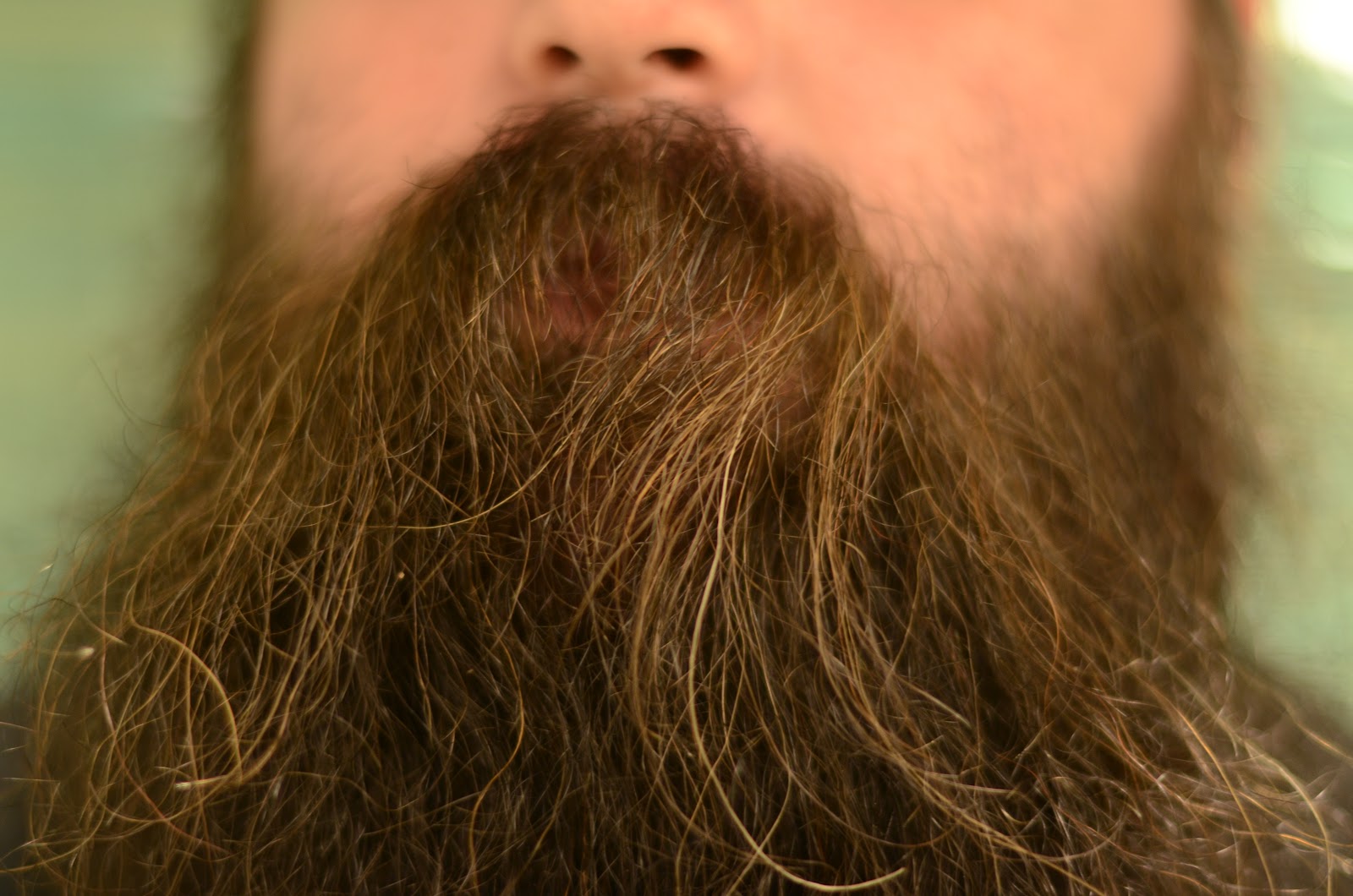
This beard wins awards. Or at least tries to. Badass.
We have fun. Part I.


We have fun. Part II.

Apr 16, 2012
Inspiration. Videos.
In an attempt to produce two videos within the next two weeks, I have been searching the web for inspiring and bizarre videos. Here's what I came up with:
Mar 16, 2012
J460. The Nike+ FuelBand Launch. Well Played.
Over winter break I met up with Stefan Olander, the VP of Nike Digital Sport, and he told me he was working on something big. That's all he said. As I've watched the launch of the Nike+ FuelBand unfold, all I can think is, "No shit!" Nike's unveiling of the FuelBand has been exceptional in reaching mass audiences and selling a product that turns working out into a game that can be shared across platforms. The band works to gauge how many calories you've burned and allows you to set a goal of how many you want to burn by the end of the day. You can watch your progress on your wrist or on your iPhone.
I want one.
Its capabilities are fascinating. Mashable reported that at SXSW, "Nike will unleash the application programming interface (API) for NikeFuel... [which] will allow third-party music developers to infuse NikeFuel features into their apps or platforms."
Here's an idea of how the launch went down at SXSW:
And in NYC:
Here's how Stefan Olander explains the capabilities of the FuelBand:
If you still don't quite understand what the FuelBand does, Nike invited Casey Neistat, an artist and film maker from NYC, to attend the launch and make a movie about the experience. Basically, Nike told him about the band and strapped one on him for six hours of awesome:
Here's another one by Casey about the band. This one's my favorite. I like the Skittles. Nice touch.
As a side note, I'm kind of in love with Casey Neistat. My goal is that he will read tid bits of my blog and will one day want to collaborate on a short film with me. Lofty goals, I know. He also dresses pretty cool.To sum up, I love the FuelBand. I love Casey Neistat. I love Nike. I love Stefan Olander.
Mar 14, 2012
J460. A Culture of Apps.
For my final project I created this short video that shows what apps people love and hate, why they download apps and how they feel about brand's apps. I produced this to show people's reactions to brand's apps (and apps in general) in the hope that brands will design and create apps that are useful (and beautiful) for their consumers. Enjoy!
Mar 11, 2012
J460. A Thought On How We Learn. A Disruptive Eduction.
Recently I was assigned to read Luke William's book, "Disrupt. Think the Unthinkable to Spark Transformation in Your Business." The book encourages people to think in disruptive ways - not the kind of disruptive that breaks cars, rather the kind that fixes things that are broken. In the below video he explains that disruptive thinking is"a way of thinking that basically turns consumer assumptions and expectations upside down and can take an entire industry into its next generation."
For those of you who don't enjoy watching videos and/or procrastinating, here's what you missed:
We're talking about taking an industry in an entirely new direction. When competitors catch up, run in the other direction and break out of any conventional habits/patterns. I never realized there were so many because I always just accepted that that is just what works. To put this in a business perspective, think about soda: it's cheap, advertised as aspirational, and tastes good. Then think about Red Bull: it's expensive, advertised as functional, and tastes horrible. It was a raging success because it didn't follow any patterns of typical soda. Red Bull became the leader in the energy drink category and soon many companies tried to emulate the drink and its profitable success.
Now think about Zipcar. It did the same thing. Conventional car rental rules: rent car by the day, lots of paperwork, speak to salesperson. These habits were flipped on their head by the new industry leader and a gap was filled: rent car by the hour, no paperwork, don't see the customer. Boom! Reinvented industry.
Sienfeld did the same thing. Suddenly there was a sitcom where people didn't hug it out at the end of each episode and learn some great new moral value. I've seen every episode multiple times. I'd call that a success.
To be the next Zipcar or Red Bull, someone must find a gap in an industry that has been functioning the same since you could remember and experiment with filling the gap. Disrupting for disrupting sake is annoying so Williams concludes that "it needs to be disruptive in ways that creates value for consumers."
So now we'll think about education, which I know a lot about considering I'm in my third year of college. I'm in the midst of higher ed and have been aware for quite some time that from the time we enter school around age 6 to the time we leave college around age 21, we are taught in the same way.
The rules:
go to class because you will be docked if you're not there
no laptops or cell phones
class is held multiple times per week
during the day
one (maybe two) hours long
regular quizzes and homework
OK - NOW LETS DISRUPT IT! The class I read Williams' book for did. It's taught by the wonderful Dave Allen, the Director of Insight and Digital Media at the ad agency, North, in Portland. His British accent makes us smile and giggle while his ongoing talks (and by talks, I mean rants) about the misuse of digital media for marketing keeps us awake.
Just so ya know what he looks like and so you can spot him at a local Portland pub or at his SXSW panel (too cool), here's what he looks like:

Hint: usually, he doesn't wear a parka, he does wear custom black leather chucks (everywhere, they may be his only shoes), and he does have some awesome/intense arm tattoos. Keep your eyes out.
New rules:
go to class because you want to be there
open use of laptops and cell phones is welcome
class is once a week
during the evening
three hours long (6-9pm)
no quizzes, no regular homework
This classroom situation works to promote learning, not because we're forced to and won't remember the info longer then the next quiz, but rather because we want to learn and we'll retain the info better and longer. As students, we take what we want from the class. For some, that's not much because it's easy to spend that time learning about friends of friends on Facebook, tweeting, or doing homework for other classes if you bring a computer. Or you can simply decide to not waste your or the teachers time if you're not going to stay focused and not come (I would prefer that, seeing as I wouldn't have to watch you scroll through Facebook photos of people I don't know).
Those students are only cheating themselves (God... I sound like my dad). They're paying a high price for a four credit class to learn insights from a leader in the world of advertising. Why the fuck wouldn't you listen?!?!
There are other students who are there to learn and who will take away as much as they can from the class. They will form a lasting relationship with Dave who may one day be able to give them a job or introduce them to someone who can. They will also not be wasting thousands of dollars on college classes.
It's a disruptive way of teaching, and in my opinion, it works. The people who come to class are generally the people who want to be there and they can only gain from it. The people who aren't there, clearly don't want to be and it isn't the teacher's responsibility to kick them out or penalize them (except with a poor grade). Computers and cell phones can be used in a positive way in a classroom setting. For us journalism (advertising) majors, it can't hurt to tweet about the wisdom that's being dished out.
Thanks Dave,
For disrupting the habits of education.
It was much needed and much appreciated!
Mar 4, 2012
J460. Brandon Pierce x Nike. Writing Pop Culture.
I met Brandon Drew Jordan Pierce at Wieden + Kennedy about five years ago while I was competing for an internship there. Back then, he was fresh to WK after time at Y&R New York and before that he was prepped and primed at The Creative Circus (from here on out, we will be going in chronological order, I promise).
This is Brandon (then):


This is Brandon (then):

This is Brandon (now):

...Standing next to Kanye. Basically, I know cool people who know cool people.
Currently, Brandon works at Wieden as a Senior Copywriter, mostly on the Nike account, but is willing to help out wherever he's needed. He lives and breathes Nike and is a full on sneaker head. When I asked him what he collected, he carried his computer over to the corner to show me:

Then he brought over his favorite pair that he is waiting to wear when he opens a concert (we'll talk about his love of music later) for Kanye (hopefully):

They have glow-in-the-dark soles. Too cool.
It's easy for him to write ads for Nike because he has an appreciation for the athlete and he is able to understand the athlete's mindset. He told me that a Nike spot should feel like a piece of pop culture, not an ad, making them timeless and beautiful. He's not selling shoes, he's selling a mindset and an experience. He explained that "there's nothing better, as a 15 year-old boy, then feeling like a company understands you," and that's what Nike's commercials try to achieve.
Here are some examples of how Brandon's helping Nike Basketball achieve that goal:
(Nike x Foot Locker)
To write the ads, he keeps an ear to the street and is inspired by music, TV, movies, life, eavesdropping, creative briefs, and even his dreams. He believes that ideas can come from anywhere if you just relax and open your mind. Brandon wants us to pay attention to what's going on in the world of fashion, music, art... basically, stay tuned and good things will happen.
Why we love him:
1. He loves his job because he sees it as an opportunity to expose people to something they wouldn't have seen otherwise.
2. When he sees other ads it's like listening to a joke that he wasn't in on (he knows the process well).
3. His sneaker collection (I think it's grown since he took that photo).
4. He's met Tyler, The Creator.
5. His day job is advertising, his night job is music. He's currently working on an album but you can hear what he's been up to at bdphiphop.com.
Here's one of his videos (which he co-directed. It's old school, made from a VHS):
His advice to us:
Go where the people that make good work are.
Don't get watered down.
Pay attention.
Don't be afraid to hit up a lot of places when we start looking for jobs.
Tell people what you want and be confident when doing so.
Places he thinks are worth a look:
Thanks Brandon!
Feb 23, 2012
J460. James Franco x 7 For All Mankind Jeans + Uprising Movements.
I originally wrote this for Scott Goodson's Uprising Movements blog (it was published this morning, you may read it here).
Apparently James Franco's hidden talent is directing youthful, hipster-esque, raunchy short videos for 7 for All Mankind's latest campaign. I spotted the brand's newest ad in this month's Vogue, which features washed out stills (from the shorts) of models on the beach, in bed and at a party.
The copy reads, "Episodes of an untitled film imagined and directed by James Franco." The first two episodes, which were shot in Santa Monica, CA in December, have already been released:
Plus, the behind the scenes short:
The premium denim brand is known for its laid back, youthful style with a high price tag. This campaign gave its consumers (me, currently wearing my favorite pair) something to get curious about. The provocative pictures in Vogue and Franco's direction were enough to get me to put the magazine down and pick my computer up.
I had no idea Franco directed anything (a huge motivation to watch the shorts). After a quick IMDB check: he's actually directed 15 films, most of which were shorts. This was clearly the right move for 7 and it peaked my interest much more then an iPhone app or a typical magazine ad would. The print ad allowed me to engage with the online videos.
These shorts appear to be in the same genre of advertising as BMW's short films, which were carried by famous directors and actors such as "Beat the Devil:"
Apparently James Franco's hidden talent is directing youthful, hipster-esque, raunchy short videos for 7 for All Mankind's latest campaign. I spotted the brand's newest ad in this month's Vogue, which features washed out stills (from the shorts) of models on the beach, in bed and at a party.
The copy reads, "Episodes of an untitled film imagined and directed by James Franco." The first two episodes, which were shot in Santa Monica, CA in December, have already been released:
Plus, the behind the scenes short:
The premium denim brand is known for its laid back, youthful style with a high price tag. This campaign gave its consumers (me, currently wearing my favorite pair) something to get curious about. The provocative pictures in Vogue and Franco's direction were enough to get me to put the magazine down and pick my computer up.
I had no idea Franco directed anything (a huge motivation to watch the shorts). After a quick IMDB check: he's actually directed 15 films, most of which were shorts. This was clearly the right move for 7 and it peaked my interest much more then an iPhone app or a typical magazine ad would. The print ad allowed me to engage with the online videos.
These shorts appear to be in the same genre of advertising as BMW's short films, which were carried by famous directors and actors such as "Beat the Devil:"
There are obviously big difference between the very short shorts, starring groups of beautiful people dancing around, and 10 minute films with a plot guided by acclaimed directors. Though, I think both do a marvelous job of selling a specific lifestyle to their rightful consumers.
Well done.
Feb 20, 2012
J460. Selling a Brand's Story.
I was greeted with an App Counter during today's visit to Apple's site. Above the flickering numbers reads, "The App Store is about to hit 25 billion downloads," and below the number, currently in the 24.47 billion range, reads, "The countdown has started. And someone's going to win." By clicking on the growing number I learn that if I download the 25th billionth app that I could win $10,000 to the iTunes App Store, redeemable for apps, books or music.
I can't fathom what 25 BILLION even means. The number is so far off from anything or group of things I've ever experienced that I'm not even going to try to wrap my brain around it. All I know is that it is a really, really big number. What I don't know is what are people using their apps for. Why are people downloading so many apps? Once people download apps, do they actually use them or do they remain idle on their screen for weeks or months? I currently have 24 extra (didn't come with phone) apps downloaded on my iPhone and I only use 5 of them: Epicurious, Twitter, Facebook, Instagram, and This American Life.
What I don't own are apps that were designed by companies to help me find or buy their products. I can't imagine buying Coca-Cola's app, "Coke Drink," that allows me to "show everybody that you can drink one Coca-Cola anywhere, anytime!" The money that was put into this app, which was probably significant, could've been spent on an interactive campaign that would encourage participation and engagement from the user.

Some of the most creative and highly effective interactive engagement hasn't come from apps, but rather from alternate reality games (ARGs). While reading Teressa Iezzi's, The Idea Writers, I learned about the interactive campaign for Steven Spielberg's feature, Artificial Intelligence: AI.
I can't fathom what 25 BILLION even means. The number is so far off from anything or group of things I've ever experienced that I'm not even going to try to wrap my brain around it. All I know is that it is a really, really big number. What I don't know is what are people using their apps for. Why are people downloading so many apps? Once people download apps, do they actually use them or do they remain idle on their screen for weeks or months? I currently have 24 extra (didn't come with phone) apps downloaded on my iPhone and I only use 5 of them: Epicurious, Twitter, Facebook, Instagram, and This American Life.
What I don't own are apps that were designed by companies to help me find or buy their products. I can't imagine buying Coca-Cola's app, "Coke Drink," that allows me to "show everybody that you can drink one Coca-Cola anywhere, anytime!" The money that was put into this app, which was probably significant, could've been spent on an interactive campaign that would encourage participation and engagement from the user.

Some of the most creative and highly effective interactive engagement hasn't come from apps, but rather from alternate reality games (ARGs). While reading Teressa Iezzi's, The Idea Writers, I learned about the interactive campaign for Steven Spielberg's feature, Artificial Intelligence: AI.
The campaign was called "The Beast" and "drew audiences into a story via a number of cryptic clues, tiny threads that those who were paying very close attention could grab and use to unravel a narrative across a range of media" (Iezzi p. 47). Many of the clues were delivered during trailers such as the one above, which included a credit for Jeanine Salla, a "Sentient Machine Therapist." Through different web sites and trailers, clues were revealed that worked together to describe a story that intrigued participants. Iezzi describes that "by the time the story had unfolded, it involved 30 web sites, live events, TV commercials, phone calls, texts and newspaper ads" (p. 47).
It seems like this kind of viewer interest and participation couldn't arrive from an app because there wouldn't be sufficient rewards or excitement derived from a single platform campaign.
Many agencies followed AI's model and created large scale interactive, rewarding campaigns that lead to intrigue surrounding the product. Wieden + Kennedy New York later created a fake beta tester named, "Beta 7," to interact with gamers about the launch of SEGA's ESPN NFL Football 2K4 game (Iezzi p. 47). Beta 7 was introduced on game-oriented blogs and sites where he explained that "he was a volunteer beta tester of SEGA Football and was experiencing some troubling after effects" (p 48) from playing a game with such intense violence during First Person Football. When the campaign wrapped there were sites, blogs, and message boards involved. Gamers were talking about it on their own forums and blogs providing free advertising and coverage.
This interactive model has continued with great success with The Blair Witch Project, Dark Knight, Discovery's Shark Week, and True Blood. These campaigns transcended what an app can accomplish and managed to get audiences to fully engage and get enthused about a product before it has even hit the stands.
Feb 11, 2012
J460. A Quick Chat About Digital Etiquette.
First off, I'm an avid iPhone and Twitter user. I have nothing against checking emails, replying to text messages, seeing if anyone has tweeted about me, reviewing blog posts or watching a quick, funny YouTube video. I fully embrace all of these activities and partake in them every day but I also believe there should be some ground rules. I'm not asking for much. Just be present. That may sound like a lot to some but it's really not, especially since people managed to live their lives without computers, internet or cell phones for quite some time. Remember when we were kids? Remember the stories our parents told us about when they were kids?
Now that computers and the web encompass our basic cell phone or tablet, it's hard for us Millennials to understand how anyone could ever live without instant text messages, emails, or Facebook updates from our friends across the city or across the country. I'm in awe of the brilliant business and life tools that have come with the web and I'm excited to see where they're headed.
However, I'd like to posit that what is far more important then texts or Facebook updates are the people and wonders around you. I've learned more from the people I've met in airports and coffee shops then I ever have from a friend's status update. All of my meaningful relationships grew in real life and all of the amazing monuments I've seen were made better by just being there and observing. Though, I will proudly acknowledge that Twitter has been one of the greatest business tools I've yet to encounter and has lead me to meetings with some incredibly talented, creative and important people that I wouldn't have been able to meet without an initial tweet. But how the relationship grew was when I spoke with these creative people and were present in our conversation.
I believe there's value in tweeting/texting/facebooking important and interesting things in the right company so I'd like to propose a few digital etiquette guidelines:
1. Share influential ideas. Nobody cares about our daily routine, famous one-liners, or senseless drama. Though this has been said countless times, I'd just like to take a moment to reiterate since I continue to see tweets and FB updates about current bagels being eaten, "life is like a box of chocolates...," or the ever-present, "sometimes I just hateeee boys." Instead, if we use these tools wisely, maybe interesting people will want to talk to us. Sharing intriguing content that applies to our audience will help us get jobs!
2. Create and maintain an audience. This is key. Inevitably we all have audiences but we also have the power to create an audience who will be loyal and help us grow by giving us useful feedback and sharing useful content. Write about things you know, care about and are interested in. An employer will notice if we have cultivated a loyal group of followers who are interested in what we have to say. Ultimately, tweet smart.
3. People over device. If we're with our friends, be with our friends. People should trump devices every time. I can't stand when I'm with someone and they don't have enough respect for me to focus on me and our conversation. It's pretty simple, I'm here and the person your texting is not. Not only are you favoring the person that's not here, you're also participating in something that I can't participate in because I have no idea what you're typing about on your small device.
4. Be present. Even with a medium. If we're going to watch TV, we should watch it, and that's about it. Texting, tweeting, facebooking, browsing the web, AND watching TV seems like a tad much. We Millennials are guilty of indulging in all mediums at once. Our brains are built to focus on one thing at a time and every time we move our eyes from the TV to our phones, we're changing our focus. Love the TV. Love the tablet. Love them separately.
Now that computers and the web encompass our basic cell phone or tablet, it's hard for us Millennials to understand how anyone could ever live without instant text messages, emails, or Facebook updates from our friends across the city or across the country. I'm in awe of the brilliant business and life tools that have come with the web and I'm excited to see where they're headed.
However, I'd like to posit that what is far more important then texts or Facebook updates are the people and wonders around you. I've learned more from the people I've met in airports and coffee shops then I ever have from a friend's status update. All of my meaningful relationships grew in real life and all of the amazing monuments I've seen were made better by just being there and observing. Though, I will proudly acknowledge that Twitter has been one of the greatest business tools I've yet to encounter and has lead me to meetings with some incredibly talented, creative and important people that I wouldn't have been able to meet without an initial tweet. But how the relationship grew was when I spoke with these creative people and were present in our conversation.
I believe there's value in tweeting/texting/facebooking important and interesting things in the right company so I'd like to propose a few digital etiquette guidelines:
1. Share influential ideas. Nobody cares about our daily routine, famous one-liners, or senseless drama. Though this has been said countless times, I'd just like to take a moment to reiterate since I continue to see tweets and FB updates about current bagels being eaten, "life is like a box of chocolates...," or the ever-present, "sometimes I just hateeee boys." Instead, if we use these tools wisely, maybe interesting people will want to talk to us. Sharing intriguing content that applies to our audience will help us get jobs!
2. Create and maintain an audience. This is key. Inevitably we all have audiences but we also have the power to create an audience who will be loyal and help us grow by giving us useful feedback and sharing useful content. Write about things you know, care about and are interested in. An employer will notice if we have cultivated a loyal group of followers who are interested in what we have to say. Ultimately, tweet smart.
3. People over device. If we're with our friends, be with our friends. People should trump devices every time. I can't stand when I'm with someone and they don't have enough respect for me to focus on me and our conversation. It's pretty simple, I'm here and the person your texting is not. Not only are you favoring the person that's not here, you're also participating in something that I can't participate in because I have no idea what you're typing about on your small device.
4. Be present. Even with a medium. If we're going to watch TV, we should watch it, and that's about it. Texting, tweeting, facebooking, browsing the web, AND watching TV seems like a tad much. We Millennials are guilty of indulging in all mediums at once. Our brains are built to focus on one thing at a time and every time we move our eyes from the TV to our phones, we're changing our focus. Love the TV. Love the tablet. Love them separately.
Feb 2, 2012
A Culture of Others: A Documentary about Wieden + Kennedy and North.
Recently, I set out to produce a documentary about two of Portland's most influential ad agencies, Wieden + Kennedy and North. Nick Pothetes and Bret Emerson, two fellow students, worked with me to create a short movie about the people behind the ads we love. Specifically, what gets them going.
To find out, we asked creatives, planners, producers, and writers what their 'other' is. We defined 'other' as being any hobby or interest that isn't related to advertising but influences their work.
What culminated was a beautiful documentary about the talented ad folks residing within Portland and how the most bizarre and unrelated hobbies lead to the most impressive work.
To find out, we asked creatives, planners, producers, and writers what their 'other' is. We defined 'other' as being any hobby or interest that isn't related to advertising but influences their work.
What culminated was a beautiful documentary about the talented ad folks residing within Portland and how the most bizarre and unrelated hobbies lead to the most impressive work.
Jan 30, 2012
J460. Marcelino Alvarez on Production and Innovation.
Recently, I spoke with Marcelino Alvarez who knows the importance of remaining authentic, relevant and staying within context, considering he has already founded three companies since graduating Duke University in 2002. Yearning for city life and sun, he began as a production assistant at Zoom Culture in Miami, which was a video streaming site similar to YouTube and built for college campuses. His time at Zoom, which is now non-existent, helped him cultivate his production skills and ultimately landed him a broadcast production job at JWT Miami.
Marcelino's great smile:

It also could've been due to the fact that his first language is Spanish and he was able to understand the subtle nuances of different types of Spanish. A Cuban accent greatly differs from a Mexican or Spanish accent and there is a delicate way, which Alvarez understands, of putting each one into context. For example, a Ford commercial running in southern Florida, targeting Cubans but spoken with a Spanish accent would not reach their audience.
After speaking with him about his incredible ad + production journey through Zoom Culture then JWT to Crispin and then across the country to become the Executive Interactive Producer at Wieden and Kennedy. After that it didn't take long for him to start building businesses left and right; co-founding Gorlochs and Safecast, though his primary focus today is Uncorked Studios in Portland.
He gathered skills and forged alliances at every stop. Besides founding Uncorked and Safecast, Alvarez is most recognized and admired for his work at Wieden developing the Chalkbot:
In my own words:
What problem does this solve?
People (potential customers) are able to feel connected to the cyclists and cancer survivors by texting positive affirmations to the Chalkbot through Livestrong.org, bringing together key audience engagement on a global level.
Who will use this?
Tour de France viewers from around the world, cancer survivors/patients/family members, cycling enthusiasts, Nike/Livestrong lovers. It's an all-age thing, all-language thing, gotta love it.
Where will they use it?
They will use it where ever they are because it is a mobile powered system, hence the beauty of mobile, it is everywhere (there is mobile access).
What is its value?
The Chalkbot can bring people from around the world together through one connected experience. It also brings free media coverage (news, blogs, facebook, magazines) to the Nike powered Livestrong Chalkbot, demonstrating Nike's dedication to innovation.
How can we make it more meaningful?
By connecting it to Livestrong's fight against cancer.
The idea originated within the walls of W+K, at the desk of Adam Heathcott and James Moslander, and was an incredibly risky idea that required about a billion logistics that Alvarez was responsible for. The Chalkbot team had to figure out what type of paint they could spray throughout the streets that wouldn't actually cause cancer. Marcelino spent days searching for some obscure paint that was completely safe, apparently they are hard to find.
Fun Fact: Marcelino actually crashed/passed out/went crazy due to taking 6-7 espresso shots per day for about three weeks in a row. Whoops.
His final advice for us: A very good way to get better is to mess up. Always experiment (Chalkbot and Disrupt). We need to fail to grow (Fail Harder).
Thanks Marcelino!
t: @mrlnmarce
Marcelino's great smile:

It also could've been due to the fact that his first language is Spanish and he was able to understand the subtle nuances of different types of Spanish. A Cuban accent greatly differs from a Mexican or Spanish accent and there is a delicate way, which Alvarez understands, of putting each one into context. For example, a Ford commercial running in southern Florida, targeting Cubans but spoken with a Spanish accent would not reach their audience.
After speaking with him about his incredible ad + production journey through Zoom Culture then JWT to Crispin and then across the country to become the Executive Interactive Producer at Wieden and Kennedy. After that it didn't take long for him to start building businesses left and right; co-founding Gorlochs and Safecast, though his primary focus today is Uncorked Studios in Portland.
He gathered skills and forged alliances at every stop. Besides founding Uncorked and Safecast, Alvarez is most recognized and admired for his work at Wieden developing the Chalkbot:
In my own words:
What problem does this solve?
People (potential customers) are able to feel connected to the cyclists and cancer survivors by texting positive affirmations to the Chalkbot through Livestrong.org, bringing together key audience engagement on a global level.
Who will use this?
Tour de France viewers from around the world, cancer survivors/patients/family members, cycling enthusiasts, Nike/Livestrong lovers. It's an all-age thing, all-language thing, gotta love it.
Where will they use it?
They will use it where ever they are because it is a mobile powered system, hence the beauty of mobile, it is everywhere (there is mobile access).
What is its value?
The Chalkbot can bring people from around the world together through one connected experience. It also brings free media coverage (news, blogs, facebook, magazines) to the Nike powered Livestrong Chalkbot, demonstrating Nike's dedication to innovation.
How can we make it more meaningful?
By connecting it to Livestrong's fight against cancer.
The idea originated within the walls of W+K, at the desk of Adam Heathcott and James Moslander, and was an incredibly risky idea that required about a billion logistics that Alvarez was responsible for. The Chalkbot team had to figure out what type of paint they could spray throughout the streets that wouldn't actually cause cancer. Marcelino spent days searching for some obscure paint that was completely safe, apparently they are hard to find.
Fun Fact: Marcelino actually crashed/passed out/went crazy due to taking 6-7 espresso shots per day for about three weeks in a row. Whoops.
His final advice for us: A very good way to get better is to mess up. Always experiment (Chalkbot and Disrupt). We need to fail to grow (Fail Harder).
Thanks Marcelino!
t: @mrlnmarce
Subscribe to:
Posts (Atom)